
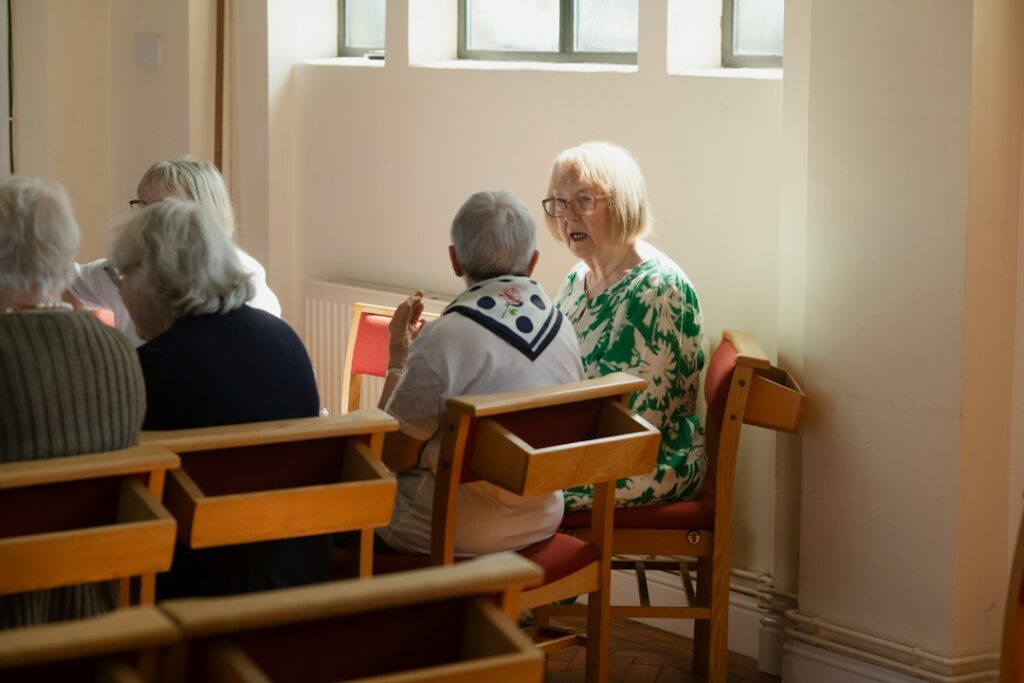
What do cultural and religious accommodations mean in assisted living?
Cultural and religious accommodations are practical adjustments that help a resident continue important beliefs, customs, language preferences, routines, and traditions after moving into assisted living. In Chambersburg, PA, these needs may involve meals, worship, clothing, personal care, holidays, family participation, communication, or end-of-life practices.
Accommodation does not mean that every request can be provided exactly as requested. It means the residence should listen, avoid discrimination, include meaningful preferences in the care plan, and look for reasonable ways to support the resident while protecting health, safety, and the rights of others.
Pennsylvania assisted living residents have the right to practice the religion or faith of their choice—or not to practice any religion. Residents also have the right to be treated with dignity and not be discriminated against because of religious creed, ancestry, national origin, race, disability, age, or other protected characteristics.
Which accommodations should families discuss before move-in?
Families should describe cultural and religious needs before admission rather than waiting for a problem to occur. A written discussion helps staff understand what is essential, what is preferred, and what may change as the resident’s health changes.
Useful topics include:
- Preferred name, language, and form of address
- Religious services, prayer, meditation, or spiritual reading
- Dietary rules, fasting, food preparation, and restrictions
- Modesty preferences involving clothing, bathing, dressing, and examinations
- Preferences about the gender of caregivers when possible
- Hair, head covering, jewelry, cosmetics, or other religious items
- Important holidays, Sabbath or holy-day observances, and associated routines
- Family customs involving visitors, decision-making, and caregiving
- Cultural approaches to illness, disability, pain, death, and mourning
- Whether the resident wants a chaplain, faith leader, spiritual adviser, or family member involved
The resident’s own wishes should guide the discussion whenever the resident can make decisions. Family members can provide helpful background, but they should not automatically replace the resident’s preferences.
How can assisted living support religious practice?
Support may include providing a quiet and reasonably private place for prayer, allowing personal religious objects, helping arrange transportation to services when available, or assisting with visits from a faith leader. A resident may also choose to practice privately in a room rather than attend group activities.
Staff should not pressure a resident to participate in worship, prayer, religious discussion, or holiday celebrations. A resident who does not follow a religion should receive the same respect and freedom from unwanted religious activity.
Religious items should be treated as personal possessions. Families may want to label valuable or fragile objects and clarify whether the resident wants them displayed, stored, or handled only by the resident. Safety rules may apply to candles, incense, electrical devices, food offerings, or objects that could create fall or fire risks. In those situations, the goal should be to find a safer alternative rather than dismiss the practice.
What about culturally appropriate food?
Food is often one of the most visible parts of cultural and religious identity. Residents may need meals that follow rules related to ingredients, preparation, fasting, vegetarian or plant-based choices, religious slaughter practices, alcohol, pork, shellfish, or separation of certain foods.
Families should ask how the residence handles:
- Ingredient substitutions
- Cross-contact between foods
- Special holiday meals
- Religious fasting and altered meal schedules
- Snacks brought by family members
- Food labels and communication with kitchen staff
- Texture changes or nutritional needs caused by medical conditions
A religious or cultural diet may need to be adjusted if a physician or nutrition professional identifies a serious health concern. Even then, the resident should be included in the conversation. For example, a resident who must limit salt may still be able to follow familiar recipes using lower-sodium ingredients.
In a region with cold winters and occasional difficult travel, families may also need to plan ahead for culturally significant meals or gatherings that cannot easily be attended in person. Safe alternatives can include a family meal in the residence, a video call, or a small private celebration.
Can a resident request same-gender assistance or modesty protections?
A resident may express preferences about who provides bathing, dressing, toileting, or other personal care. Cultural or religious modesty may make this especially important. A residence should document the request and explain what can reasonably be arranged based on staffing, emergencies, and the resident’s care needs.
Practical accommodations may include:

- Asking permission before entering the room
- Providing privacy during bathing and dressing
- Keeping the resident covered as much as possible
- Explaining each step before physical contact
- Using a same-gender caregiver when available
- Avoiding unnecessary exposure during examinations or transfers
- Respecting preferences about eye contact, tone of voice, or physical touch
These practices can benefit many residents, even when they are not connected to a specific faith or culture. Privacy and respectful communication are basic parts of dignified care.
How should language and communication preferences be handled?
A resident who speaks limited English may have difficulty reporting pain, understanding medication instructions, or expressing a refusal of care. Language preferences should be recorded in the care plan, along with the best way to communicate important information.
Family members can help with familiar expressions and background, but they may not always be appropriate interpreters for medical or sensitive conversations. The residence should have a dependable method for communicating essential information, particularly during a change in condition, medication discussion, care-plan meeting, or emergency.
Pictures, translated written materials, communication boards, hearing assistance, and qualified interpretation may all be useful. Staff should confirm understanding rather than assuming that a resident’s silence means agreement.
How are holidays and religious observances managed?
Holiday observances should be treated as part of the resident’s routine, not merely as decorations or entertainment. Some residents may want to attend a service, fast, avoid certain activities, receive visitors, listen to specific readings, or observe a holiday quietly.
Families can provide a simple annual calendar with important dates and explain which practices are essential. Staff should also ask the resident rather than assuming that everyone from the same religious or cultural background observes a holiday in the same way.
A resident may want to participate in a residence-wide celebration while also observing personal traditions. Others may prefer not to participate at all. Both choices deserve respect.
What should families ask about end-of-life and mourning practices?
End-of-life preferences should be discussed before a crisis. Some families may have specific expectations about prayer, touch, positioning, visitors, music, washing the body, who should be present, or how quickly arrangements must be made after death.
A written plan can identify the resident’s chosen decision-maker, faith leader, family contacts, and important practices. The residence may need to balance these wishes with infection-control requirements, privacy, roommate considerations, and emergency procedures.
The most helpful approach is specific. “Respect our traditions” may be difficult to apply, while “please notify this family member and faith leader immediately, allow private prayer when possible, and avoid removing this item unless safety requires it” gives staff clear guidance.
What if a cultural or religious need is ignored?
Start by asking for a meeting with the administrator, nurse, care coordinator, or other person responsible for the resident’s plan. Describe the concern in concrete terms, explain how it affects the resident, and request that the agreed accommodation be documented.
Keep copies of the resident agreement, care plan, written requests, and responses. If the issue involves discrimination, retaliation, neglect, or an unresolved rights concern, Pennsylvania residents may seek assistance through the long-term care ombudsman program or the appropriate state complaint process.
A respectful residence does not need to know every tradition in advance. It does need to be willing to ask, listen, document preferences, train staff, and make reasonable adjustments so that assisted living supports the whole person—not only the person’s physical care needs.
