
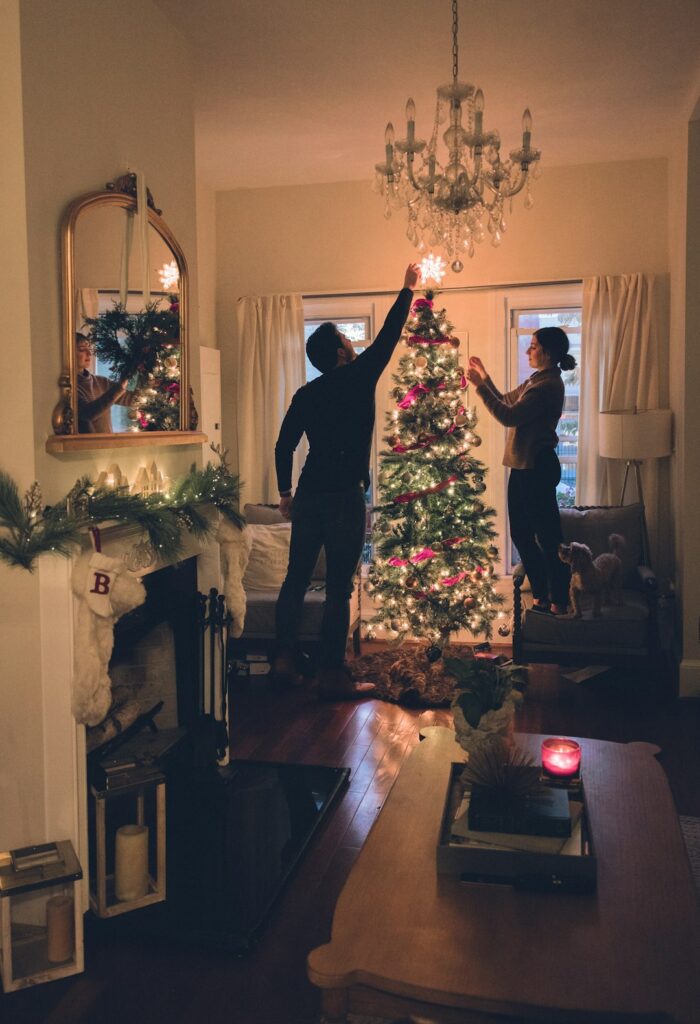
Holiday celebrations in assisted living can be meaningful, flexible, and personal. Residents do not need large gatherings or complicated schedules to enjoy the season. Familiar traditions, thoughtful visits, music, favorite foods, and opportunities for choice often matter more than elaborate decorations or busy activities.
How can residents celebrate holidays in assisted living?
Residents can celebrate through a combination of community activities, private traditions, family visits, spiritual practices, and everyday seasonal comforts. A holiday celebration may be a group meal, a video call with relatives, a quiet afternoon listening to familiar music, or decorating a personal room with meaningful items.
Assisted living communities commonly adjust activities for different abilities, interests, and energy levels. Some residents may enjoy parties and group singing, while others prefer smaller gatherings or time alone. A respectful holiday plan makes room for both preferences.
Common activities include:
- Holiday meals with familiar recipes
- Decorating common areas or individual apartments
- Craft projects using large, easy-to-handle materials
- Seasonal concerts, storytelling, or movie afternoons
- Cookie decorating or simple baking demonstrations
- Religious services, readings, or prayer groups
- Gift exchanges with clear spending limits
- Visits from children, grandchildren, and other relatives
- Remembrance activities for loved ones who have died
- Quiet social hours with coffee, tea, or hot chocolate
The goal is not to make every resident participate in every event. Meaningful celebration begins with personal choice.
Which holiday traditions are most helpful for older adults?
The most helpful traditions are usually familiar, sensory, and connected to personal history. Older adults may respond strongly to music, scents, recipes, ornaments, photographs, and stories associated with earlier holidays.
A family might bring a well-known table decoration, prepare a favorite dessert, or create a small display of photographs. A resident who once hosted large family meals may enjoy helping choose napkins, reviewing a recipe, or sharing instructions with younger relatives, even if preparing the meal is no longer practical.
Traditions can also be adapted. For example:
- Replace a long formal dinner with several shorter visits.
- Use battery-operated candles instead of open flames.
- Display a few favorite ornaments rather than decorating an entire room.
- Record family members reading a familiar holiday story.
- Serve smaller portions of traditional foods.
- Play music at a comfortable volume and offer a quiet area nearby.
- Use seated craft activities for residents who tire easily.
Adaptation preserves the meaning of a tradition while reducing physical strain, confusion, or safety risks.
How can families visit during the holidays without causing fatigue?
Short, planned visits are often easier for older adults than large, unstructured gatherings. Families can ask about the resident’s preferred time of day, usual rest schedule, and comfort with noise before planning a visit.
A visit may be more enjoyable when it includes one simple activity, such as looking through photographs, wrapping a small gift, listening to music, or sharing a familiar snack. Several relatives arriving at once can be overwhelming, particularly for residents living with dementia, hearing loss, or health conditions that affect stamina.
Helpful approaches include:
- Limit the number of visitors at one time.
- Use clear introductions, especially when several family members are present.
- Sit where the resident can see each person’s face.
- Reduce background noise when possible.
- Avoid testing memory with questions such as, “Do you remember who I am?”
- Allow extra time for responses.
- Watch for signs of tiredness, discomfort, or overstimulation.
- End the visit positively before the resident becomes exhausted.
For relatives who cannot travel to Chambersburg, PA during winter weather, a phone call, video visit, letter, recorded message, or mailed photograph can help maintain connection. A staff member or family caregiver may need to assist with technology.
What should families consider about winter weather?
Winter conditions can affect holiday plans, especially in south-central Pennsylvania, where cold temperatures, snow, ice, and changing road conditions may complicate travel. Families should avoid treating a postponed visit as a personal rejection. Safety and health may require flexibility.
If a visit is planned during poor weather, ask whether the community has temporary visitor procedures, indoor meeting arrangements, or alternate dates. Warm clothing, non-slip footwear, and extra time for walking are practical considerations for older adults.
Transportation can also be tiring. A resident may need time to rest before and after an outing. If an off-site celebration is planned, families should consider accessible entrances, restroom availability, seating, medication schedules, and the length of the event.

A holiday outing is not automatically better than an activity held inside the community. The best setting is the one that allows the resident to remain comfortable and engaged.
How can celebrations include residents with memory loss?
Residents with dementia or other forms of memory loss can still enjoy holiday experiences, even if they do not remember the event later. Music, familiar scents, gentle conversation, and hands-on activities may provide comfort in the moment.
Celebrations should be simple and predictable. Too many decorations, unfamiliar visitors, loud music, or changes to the usual routine may cause distress. Families can bring one or two familiar objects instead of filling the room with seasonal items.
Useful activities include:
- Folding towels or fabric napkins
- Sorting large decorative items by color
- Looking at family photographs
- Listening to songs from the resident’s younger years
- Decorating a single cookie or ornament
- Sharing a familiar snack in a quiet setting
- Talking about past holiday roles rather than testing specific dates
If the resident becomes restless, withdrawn, or upset, reducing stimulation and returning to a familiar routine may help. Holiday participation should never be forced.
How can assisted living staff and families coordinate plans?
Clear communication helps prevent missed meals, duplicate gifts, unsafe decorations, and overly demanding schedules. Families can ask about activity calendars, visiting expectations, dietary needs, medication timing, and policies related to food, candles, electrical items, and decorations.
It is helpful to share information about:
- Favorite holiday foods and foods to avoid
- Cultural, religious, or family traditions
- Preferred music and activities
- Known sources of anxiety or overstimulation
- Mobility, hearing, vision, or communication needs
- Important losses or difficult anniversaries
- Whether the resident prefers group events or private visits
Residents should be included in decisions whenever possible. A family member should not assume that a traditional activity remains enjoyable simply because it was once part of the resident’s routine.
What if the holidays bring sadness or loneliness?
Holiday sadness is common, particularly for residents who are grieving, separated from family, adjusting to assisted living, or remembering earlier stages of life. Cheerful activities should not be used to dismiss those feelings.
A resident may benefit from a quiet conversation, a remembrance ritual, time with a trusted person, or permission to decline an activity. Families can acknowledge a loss directly and listen without trying to immediately change the subject.
Concerns become more serious when sadness is persistent, accompanied by major changes in sleep or appetite, or linked with hopelessness, confusion, or thoughts of self-harm. In those situations, family members should promptly share concerns with the resident’s care team so appropriate support can be considered.
Holiday celebrations are most successful when they respect the whole person: preferences, history, abilities, beliefs, relationships, and need for rest. A peaceful meal, a familiar song, or a few attentive minutes with family may carry as much meaning as a large seasonal event.
