
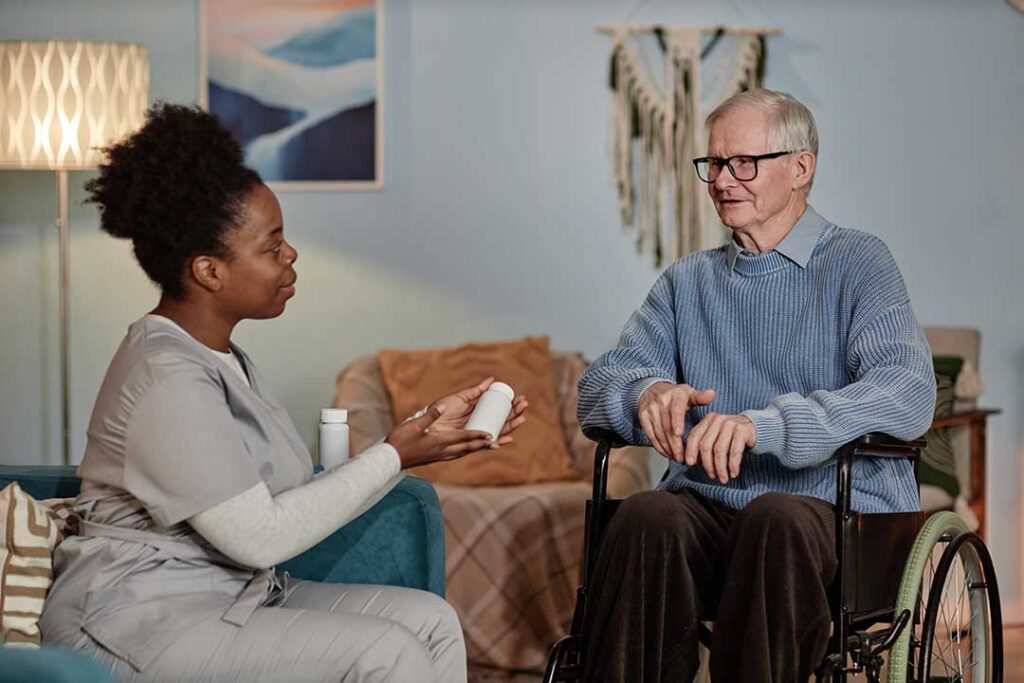
Why Are Life Changes Challenging for Seniors?
Adjusting to change becomes more difficult for many people as they age. In later years, transitions—such as moving to assisted living, changes in health, or the loss of friends—often carry emotional weight and create daily disruptions. For seniors in Chambersburg, these experiences can feel particularly unsettling given established routines and deep roots in the community.
Major life transitions may mean losing some independence or adapting to new physical limitations. This can trigger stress, confusion, or even grief. Understanding why change is hard can help both older adults and their families respond more patiently and constructively.
What Emotional Reactions Are Normal?
Sadness, anxiety, frustration, or reluctance to participate in new activities are common responses. Seniors might also express their discomfort through withdrawal or by focusing on routines that make them feel safer.
Common, healthy reactions include:
- Reminiscing about "the way things were"
- Needing extra reassurance or time to adapt
- Voicing concerns about losing autonomy
Short-term resistance doesn’t mean someone won’t adapt over time. However, if sadness or worry remain strong, it’s worth paying closer attention.
How Can Local Seniors Build Coping Skills?
Residents of Chambersburg have unique strengths, often including strong neighborly bonds and deep familiarity with their surroundings. These local connections can offer valuable stability when everything else feels uncertain.
Strategies include:
- Maintaining a predictable routine whenever possible, such as taking a daily walk in a favorite park or keeping familiar meal times
- Leaning on local friends or family members for conversation and support, especially during stressful transitions
- Participating in community activities that foster a sense of continuity—friendship clubs, library events, or hobby groups
Building these coping skills helps seniors weather adjustments like moving homes, adapting to new care routines, or changes in family dynamics.
What Role Does Communication Play?
Open, honest communication helps everyone involved understand the situation. Residents often feel more in control when they’re included in decisions that affect their lives, even when choices are limited.
Family and caregivers can ask questions like:
- “Are there any specific routines or items that help you feel comfortable?”
- “Is there something about this change that feels especially hard?”
Listening patiently is often more important than offering solutions. At times, just knowing someone is heard can lessen the fear of the unknown.
Which Practical Steps Can Ease Transitions?

Seniors in Chambersburg benefit from planning ahead and taking practical steps before, during, and after a significant change. This reduces the feeling of being rushed or overwhelmed.
Suggestions for smoother transitions:
- If moving, visit the new living arrangement ahead of time, if possible, and bring familiar belongings
- Gradually introduce new routines rather than changing everything at once
- Allow time for rest and breaks during the transition period
- Keep comfort items—such as a favorite chair or family photos—close at hand
- Invite neighbors or friends to visit in new settings to support social continuity
Practical adjustments can make the unfamiliar seem less intimidating and help restore a sense of agency.
What Support Systems Exist in Chambersburg?
While large support organizations may not always be nearby, Chambersburg is known for its neighborly atmosphere and active community groups. Area households often rely on informal networks—church congregations, recreation centers, or library programs—to stay socially connected and informed.
Local public agencies, community centers, and religious groups can provide opportunities for seniors to engage with others and find transitional support. Sharing experiences with peers who have faced similar changes can make a period of adjustment feel less isolating.
Can Change Bring Positive Opportunities?
While not every change is welcome, new situations sometimes create space for growth, new friendships, or rediscovered hobbies. Seniors who feel empowered to make small choices—like picking out room decorations or joining a new club—often settle in more easily.
Some residents discover strengths they hadn’t used in years, or develop a greater appreciation for the support networks around them. Over time, adapting to change may even foster improved resilience and a renewed sense of purpose.
When Should Additional Help Be Considered?
Most emotional reactions to change fade with time and support. However, if a senior shows ongoing withdrawal, deep sadness, sudden confusion, or refuses help, more serious intervention may be needed. Consulting a family doctor or licensed counselor is recommended in these cases. Friends and relatives can also gently encourage openness by maintaining consistent, caring contact.
