
How Does Assisted Living Accommodate Couples?
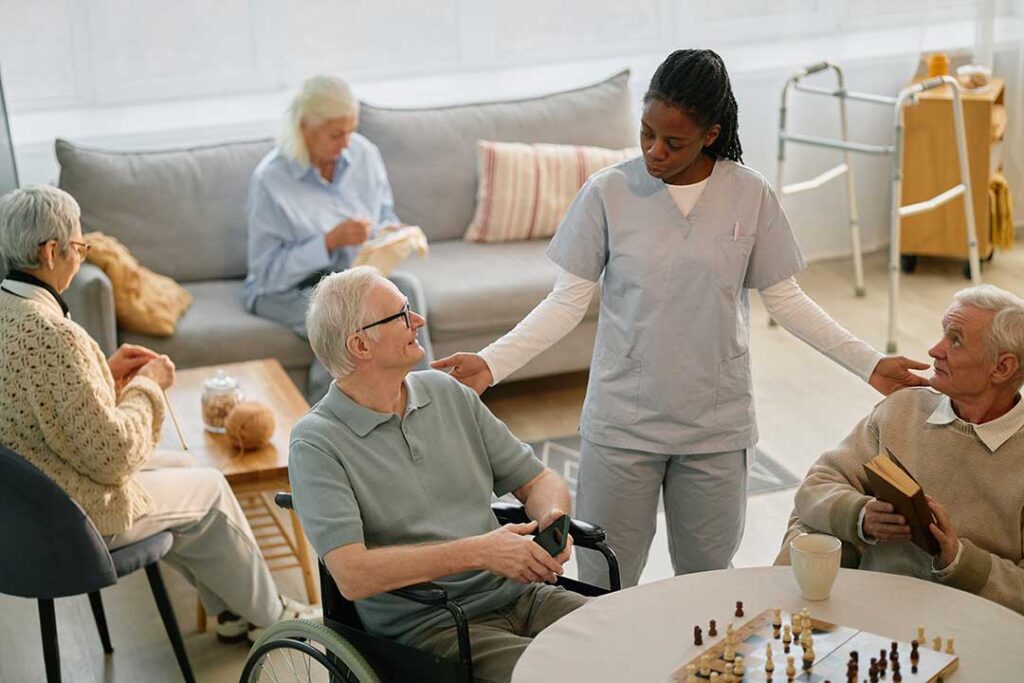
Assisted living communities in Chambersburg, PA are designed to support couples who wish to continue living together while receiving extra help with daily life. Residents can typically share an apartment or suite, allowing spouses or partners to maintain their relationship, routines, and companionship.
Most local assisted living settings offer a range of apartment sizes, including units large enough for two people. Couples usually have the option for both individuals to receive care based on their individual needs—one might need more assistance than the other. This flexibility benefits couples who want to stay together even if their health or care requirements differ.
What Are the Practical Benefits for Couples in Assisted Living?
For many couples in the community, assisted living offers several practical advantages beyond simply living under the same roof.
- Personalized support: Each partner receives help tailored to their medical, mobility, and personal care needs without forcing the couple to separate.
- Reduced daily burden: Household chores, meal preparation, laundry, and maintenance are handled by staff, preserving energy for enjoying time together.
- Shared social activities: Couples can participate together or separately in events, fitness programs, and group outings, supporting both shared and individual interests.
- Less family stress: Adult children and relatives often feel reassured knowing their loved ones have immediate access to support without needing to provide all the care themselves.
This approach is especially useful in Chambersburg, where many homes have multiple stories or challenging layouts for seniors with mobility issues—assisted living apartments are usually on a single level with accessibility features.
Can Couples Stay Together If Their Care Needs Are Different?
Couples are not required to have the same care requirements to live together in an assisted living setting. One partner may be fairly independent, while the other requires more daily assistance with activities like medication management, bathing, or mobility support.
Typically, a wellness assessment is conducted for each person, allowing for an individualized service plan. Caregivers provide only the necessary support, so one spouse’s desire for privacy or independence is respected.
For example, in seasonal weather common to Chambersburg, one partner with arthritis may need winter mobility help, while the other is able to manage alone. Both can receive services suited to their needs, without unnecessary intrusion.
What Are Couples’ Apartments Like in Local Assisted Living?
Apartments for couples in Chambersburg assisted living communities are usually private, self-contained units with features such as:
- Accessible bathrooms built for safety
- Kitchenettes or small kitchen areas
- Space for a bed or beds, comfortable seating, and personal items
- Emergency alert systems within reach
Couples can bring their own belongings, arrange furniture to their liking, and decorate to create a familiar, comforting environment. Some apartments open onto garden courtyards or community gathering spaces, which is valued in the relaxed pace and scenic backdrop of the area.
How Do Social and Emotional Supports Work for Couples?
Being together often helps couples feel more secure during a major transition like moving to an assisted living community. Local settings recognize that companionship and emotional support from a partner is vital for well-being.
- Partners can continue shared routines, whether that’s morning coffee, favorite hobbies, or attending religious services within the community.
- Both are encouraged to develop social connections with others, but always have the option of enjoying time focused just on each other.
- Community life can renew interests in group games, music, or crafts, helping to offset feelings of isolation or loss that sometimes occur after downsizing from a longtime Chambersburg home.

What Happens if One Partner’s Needs Change Over Time?
Assisted living communities in Chambersburg have protocols for reassessing and adjusting care plans as needs evolve. If one partner starts requiring more advanced care—such as memory support for dementia, or short-term recovery after a hospital stay—staff can modify support without requiring the couple to move apart.
In some situations, both partners can remain together with increased services. If circumstances ever change drastically, such as a need for specialized medical care unavailable in an assisted living setting, staff can guide and support local families through the process of finding appropriate options for one or both partners. Until that time, the goal is always to keep couples together, maintaining their relationship and routines as much as possible.
Are There Common Misconceptions About Couples in Assisted Living?
Some couples in Chambersburg assume they’ll be forced to live separately if only one needs extra help. In reality, modern assisted living is structured to support couples sharing an apartment, regardless of their individual care levels.
Another misconception is that moving into assisted living will mean a loss of privacy or control over daily life. In fact, care and support are provided discreetly, with an emphasis on independence and dignity. Residents can set their own schedules, and staff typically aim to blend support seamlessly into daily routines.
Who Benefits Most from This Option in the Chambersburg Area?
Assisted living arrangements for couples are especially suitable for:
- Longtime married or partnered couples who want to continue their life together as they age
- Partners with different rates of mobility decline or health issues, avoiding the need for one to be relocated to a nursing setting prematurely
- Local households with single-level home needs or concerns about accessibility who prefer to live near medical and social resources
The independent-yet-supportive style matches the lifestyle priorities of many people in the community, where neighbors value both privacy and connection with others.
